
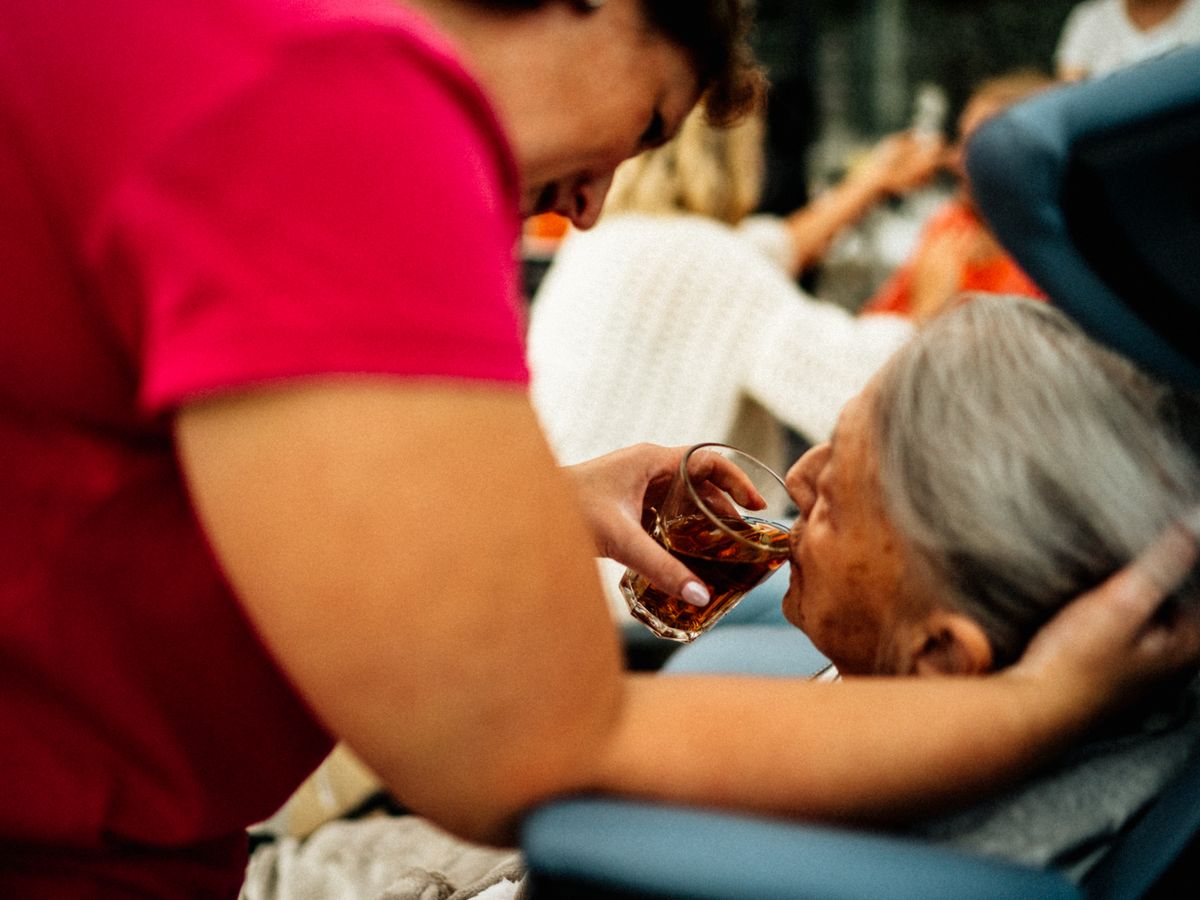


Hire caretaker in Pakistan: care, dignity and company for the people you love
In Pakistani culture, caring for ageing parents is a duty and an honour. But life has changed. Children work long hours, live in different cities or have moved abroad. Homes that once had three generations under one roof now often have an elderly couple alone, or a widowed mother whose children call every evening from Dubai or Toronto. The love is still there. The hands are not.
RX Direct helps families hire a caretaker in Pakistan who brings patience, respect and practical help into the home. We check identity, address and references, ask specifically about how candidates have treated elderly people before, and match each caretaker to the person's real needs. This page explains what caretakers do, how they differ from nurses, costs and how to make care work well.
Elderly caretaker Pakistan: what the role covers
An elderly caretaker in Pakistan helps with daily living:
- Helping the person get up, sit, stand, walk and move between bed and chair
- Bathing, dressing, grooming and oral hygiene
- Toileting and continence care, with dignity
- Preparing simple meals and helping with feeding
- Giving tablets at the right time from a schedule prepared by family or doctor
- Light exercises suggested by the doctor or physiotherapist
- Keeping the room, bedding and clothes clean
- Accompanying the person to the doctor, mosque, park or family visits
- Providing conversation, reading, prayers and company
- Noticing changes in health or mood and telling the family
Verified caretaker Pakistan: our checks
A verified caretaker in Pakistan placed by RX Direct has passed:
| Check | What we do |
|---|---|
| CNIC | Original examined and matched to the person |
| Address | Current and permanent address confirmed |
| References | Previous families or care homes asked about patience, honesty and kindness |
| Interview | Scenarios on handling confusion, falls, refusal to eat and difficult moods |
| Practical knowledge | Safe lifting, bathing, hygiene and medicine schedules |
| Health | Medical certificate recommended for live-in roles |
Caretaker service Pakistan: how it works
Our caretaker service in Pakistan follows careful steps:
- Tell us about the person. Age, health conditions, mobility, memory, daily routine, the help needed, hours and city.
- Assessment. We confirm whether a caretaker is right, or whether a nurse is needed.
- Shortlist. Two or three verified caretakers with relevant experience.
- Meet and trial. The caretaker meets the person and works a trial day with family present.
- Placement. Confirm, with our 6 month replacement guarantee.
Caretaker salary in Pakistan: what affects it
We do not publish fixed salary figures, because the right pay for a caretaker changes with skills, hours, live-in or live-out arrangements and the size of the household. Share your requirement and we will guide you on a fair salary before interviews.
See our Pricing page for more.
Caretaker provider Pakistan: why temperament matters most
As a caretaker provider in Pakistan, we have learned that skill alone does not make a good caretaker. Older people can be slow, forgetful, stubborn or sad. A caretaker who rushes, argues or shows irritation makes life worse, even if every task is technically done. That is why our references and interviews focus on patience and kindness. We ask previous families directly: was the caretaker gentle? Did your parent like them? Would you hire them again?
Patient caretaker Pakistan: after illness or surgery
A patient caretaker in Pakistan supports people recovering from illness, surgery, fractures or strokes who do not need a nurse full time. The caretaker helps with mobility, hygiene, meals and medicines while the patient regains strength. When medical procedures are needed, a home nurse can visit or work alongside the caretaker.
Home caregiver Pakistan: for overseas families
Many of our caretaker placements are arranged by sons and daughters abroad. A home caregiver in Pakistan becomes their eyes and hands at home. We handle these placements on WhatsApp and video calls, with a local relative or our team attending the first meeting. Families often ask the caretaker to send a short daily update about meals, medicines, sleep and mood. It gives everyone peace of mind and keeps the family connected.
Caretaker near me: availability by city
When families search for a caretaker near me, they want someone who can start soon and stay. We place caretakers in Islamabad, Rawalpindi, Lahore, Karachi, Faisalabad, Multan, Peshawar and Gujranwala.
Caring for a parent with dementia
Dementia changes everything about care. The person may repeat questions, forget meals they just ate, become suspicious of people they love, wander outside or not recognise their home. A caretaker for dementia needs special patience and habits: keeping a fixed daily routine, speaking calmly and simply, never arguing with confused beliefs, removing hazards like gas knobs and sharp objects, and keeping doors secure. We shortlist caretakers who have handled dementia before and ask references about it specifically.
Families should keep the caretaker the same for as long as possible. Change is especially hard for people with dementia.
Preventing falls
Falls are one of the biggest risks for older people, often leading to fractures and long hospital stays. A caretaker helps prevent them by assisting with walking, keeping floors dry and clear, ensuring good lighting at night, and helping in the bathroom. Families can help with grab bars, non slip mats, a raised toilet seat, a bedside commode for night time and comfortable shoes with good grip.
Respecting dignity
Being helped with bathing and toileting can feel humiliating, especially for proud elders who raised families and ran businesses. A good caretaker protects dignity: closing doors, covering the person during bathing, asking before helping, letting them do what they can for themselves, and never talking about them as if they were not there. This matters as much as any physical task.
Company and emotional wellbeing
Loneliness is a real health risk for older people. A caretaker who sits and talks, listens to old stories, reads the newspaper aloud, helps with prayers, takes them for a short walk in the evening or helps them video call grandchildren can lift their mood and health. Many families tell us their parent became more cheerful and active after a good caretaker arrived.
When a parent refuses help
Some parents resist having a caretaker. They feel it means losing independence, or they do not want a stranger in the house. Introduce the caretaker gradually, perhaps first as someone who helps around the house. Let your parent be part of the choice. Over a few weeks, most accept help once they see it makes life easier.
Caretakers for people with disabilities
Caretakers also support adults with physical disabilities, paralysis, cerebral palsy or other long term conditions. These placements need caretakers comfortable with lifting, transfers, wheelchairs and personal care, and with the patience to support independence wherever possible. Tell us about the person's needs and any equipment used at home.
Night care
Some older people wake often at night, need help to the bathroom, or become confused after dark. A night caretaker, or a live-in caretaker with proper rest during the day, keeps them safe and lets the family sleep. One caretaker cannot be awake day and night for long. For round the clock care, plan for two caretakers on shifts or a live-in caretaker with family support at certain hours.
Food, fluids and medicines
Older people often eat and drink too little without anyone noticing. Appetite falls, thirst signals weaken and some avoid drinking water to reduce trips to the bathroom. Dehydration then causes confusion, constipation and urinary infections, especially in summer in cities like Multan, Lahore and Karachi. A good caretaker offers water and fluids regularly, prepares soft, easy to eat meals where needed, encourages small frequent portions and tells the family when intake drops.
Medicines are another area where caretakers make a big difference. Many elderly people take five or more different tablets a day, and missed or doubled doses are common. Ask the family doctor or a pharmacist to prepare a clear written schedule, and use a weekly pill box with compartments for morning, afternoon and night. The caretaker gives tablets from the box at the right times and records them. Caretakers should never change doses on their own.
Keeping the family informed
When several siblings share responsibility for a parent, information can get scattered. One simple solution is a family WhatsApp group that includes the caretaker, where they share a short daily update: how the parent slept, what they ate, medicines given, any visitors and anything unusual. It keeps everyone on the same page and gives the caretaker a direct line to the family when something is wrong.
Supporting the caretaker
Caring is tiring work. Caretakers stay longer and give better care when they have proper rest, a weekly day off, good food, respect from the whole family and someone to talk to when things are hard. Thank them. Their work is one of the kindest jobs anyone can do. If the caretaker raises a concern about your parent's health or about the workload, listen and respond. Caretakers who feel heard stay for years, and that continuity is one of the best gifts you can give an elderly parent.
Hire a caretaker today
Send the person's age, health, mobility, the help needed, hours and city on WhatsApp at +92 322 1223666, or use the Contact page. See also our care staff page.