Red Flags to Watch for When Hiring a Nurse in Gujranwala
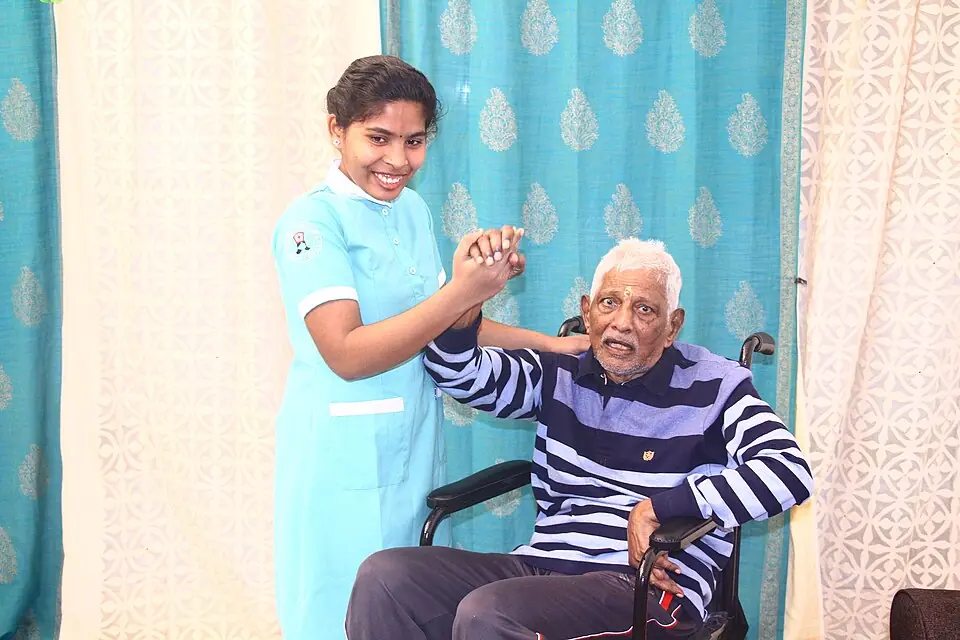
Gujranwala's households, from the central residential areas out to the newer developments on the city's edges, usually bring in a home nurse for one of two reasons, a family member discharged from a local hospital or one of the larger Lahore facilities who needs continued care at home, or an elderly parent whose medication, vitals, and daily routine need steady support. The pool of nurses available for home placement is reasonable, and in our experience most are qualified women and men who take the work seriously and want a stable booking. The difficulty is not that most nurses are a problem, it is that the small minority who are unsuitable tend to show the same handful of patterns, and in a role where a mistake can have real medical consequences, those patterns are worth knowing before rather than after placement. This is not a guide to being suspicious of every candidate, it is a guide to the specific signals that, in our experience, mean you should slow down and ask more questions before leaving someone alone with a patient.
Red flags worth taking seriously
-
An inability or refusal to show nursing qualification documents. A qualified nurse carries her credentials and expects to be asked for them, because every honest employer checks. A candidate who says she will bring the documents later, or who becomes defensive when asked, is the single clearest signal in nursing hires, and one we treat as non-negotiable. In a home setting, where there is no hospital chain of accountability behind the nurse, the qualification check is the baseline, not a courtesy.
-
References that are only friends or relatives, not previous employers. A nurse who has done real home or ward work has employers who will speak for her, whether a previous household, a clinic, or a hospital supervisor. A candidate who can only offer a cousin or a friend as a reference has not given you a professional reference, she has given you a character note, and in nursing the difference matters more than in most roles.
-
Vague about the kinds of cases she has handled, or claiming experience in everything. Ask an experienced nurse about her background and you will hear specifics, post-surgical recovery, elderly care, chronic conditions like diabetes or blood pressure, because real experience is specific. A candidate who claims equal comfort with everything from paediatrics to post-stroke care is either overconfident or has not understood the question, and neither is reassuring.
-
Reluctant to discuss or walk through basic procedures. Asking a candidate how she would manage a wound dressing, take and record blood pressure, or handle an insulin schedule is not a test designed to catch her out, it is a conversation about the actual work. A nurse who is qualified answers calmly and specifically. A nurse who is evasive, or who treats the questions as an insult, is telling you something about both her skill and her temperament.
-
Pushing to start immediately without a trial shift or meeting the patient. A candidate who insists on starting the same day, before meeting the patient or understanding the household's routine, is avoiding the very step that lets everyone judge the fit. In home nursing, where the patient's comfort with the nurse is part of the care, a trial shift is not an extra, it is essential.
-
Inconsistent CNIC or address details. A verified nurse has no reason to give conflicting information about her identity or where she travels from, and a candidate whose CNIC details shift between conversations, or whose address does not match what she says about her commute, is a concern. In Gujranwala, where a reliable night shift depends on a manageable journey home, vagueness about where she lives is also a practical problem.
-
Dismissive when asked about hygiene, handwashing, or medication schedules. A nurse who treats questions about handwashing, glove use, or the timing of medication as beneath her is a genuine risk in a home setting, where the household relies on her to uphold the standards a hospital enforces institutionally. The right answer to a hygiene question is a specific one, not an eye-roll.
Telling a real concern from a minor one
A nurse who is quiet, or who is meeting a new household for the first time and is a little formal, is not automatically a concern. Nervousness shows up as careful, slightly stiff answers that loosen up as the conversation continues, while a real problem shows up as evasion, defensiveness, or a refusal to engage with a reasonable question. The same distinction applies to qualifications, a candidate who is new and has limited experience, but is honest about it and can still discuss her training specifically, is a smaller concern than a candidate who claims years of experience but cannot produce documents or speak to the cases she has handled. One red flag in isolation is usually a reason to ask more, not a reason to walk away. Two or three together, particularly around qualifications, references, and the willingness to do a trial shift, are a reason to stop and reconsider the candidate entirely, because in nursing those three areas are where a suitable candidate has nothing to hide.
What to do if you spot a red flag
If you notice one of these patterns during a phone screen or an in-person meeting, do not confront the candidate, simply note it and ask a follow-up question that gives her a chance to clarify. A genuine misunderstanding resolves quickly, while a real problem tends to deepen the more you ask. If the concern is around qualifications, references, or a refusal to do a trial shift, treat it as serious, because those are the areas where an honest candidate has nothing to lose by being open. If the answers do not satisfy you, end the conversation politely and do not feel obliged to continue because the search has already taken time. The cost of a wrong nursing placement is measured in the patient's safety and recovery, not just in wasted fees, and walking away from a doubtful candidate is always the right call.
How our screening catches these before they reach you
This is exactly why we do not skip steps. Every nurse we place goes through CNIC and address verification, nursing qualification verification to confirm her credentials are genuine rather than taken at face value, reference checks with previous employers spoken to directly, and an in-person interview where we ask exactly the kind of questions above, about wound care, medication schedules, vitals, and how she would approach the specific kind of booking the household needs. A candidate whose qualifications cannot be confirmed never reaches the reference stage. A candidate whose references do not hold up never reaches the interview. A candidate who interviews well but cannot answer specific clinical questions is not shortlisted for a placement that needs those skills. The screening is designed so that by the time a candidate reaches you, the patterns that would have worried you have already been filtered out, and the replacement guarantee means that if a mismatch shows up in the first days of care, we go back to the shortlist rather than leaving the household to start over while a patient is waiting.
Beyond nurses
If your Gujranwala household also needs a caretaker for a parent who needs daily support but not medical nursing, or a maid or helper to handle household chores while the family focuses on care, we can shortlist multiple roles together. See our full Gujranwala coverage for everything else we place in the city.
Message us on WhatsApp with your Gujranwala nursing requirements, we typically shortlist verified nurses within 48 hours.
Comments
Comments are reviewed before they appear.
Loading comments…