Red Flags to Watch for When Hiring a Caretaker in Islamabad
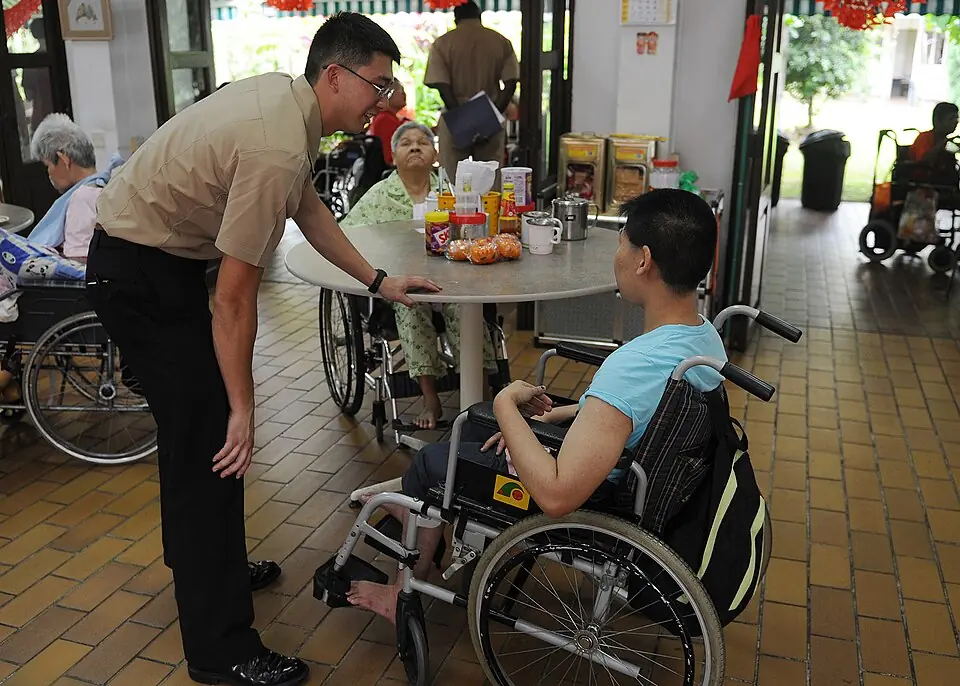
Most caretaker candidates we see in Islamabad are honest people doing difficult work for families who genuinely need the help. That is the baseline, and it is worth stating upfront because the conversation around hiring domestic staff often slides straight into suspicion. But honest overall does not mean every individual is suitable for every household, and it does not mean warning signs should be ignored in the name of giving someone a fair chance. Patterns matter. A single odd answer in an interview is usually nothing. A cluster of small inconsistencies across CNIC details, references, and the way a candidate describes their previous work is something else entirely. This post is about those patterns, the specific red flags that show up when hiring a caretaker in Islamabad, how to tell a genuine concern from a minor one, and what to do when something does not add up.
Why caretaker hires carry higher stakes
A caretaker is not the same as other domestic staff. They spend long stretches, often overnight, with an elderly parent or a dependent relative who may not be able to clearly report what is happening. In Islamabad, where adult children are frequently working abroad or based in other cities and a parent is left alone for much of the day, the caretaker is often the only person physically present with the person being cared for. That changes the cost of a bad hire. A cook who is wrong for the household means a bad meal. A caretaker who is dishonest, unqualified, or simply not who they claim to be means a vulnerable person left alone with them. Red flags at the hiring stage are therefore not paranoia, they are the cheapest moment to avoid a problem that becomes much harder to undo once the person has moved in and built a routine around the relative.
Seven red flags to watch for when hiring a caretaker in Islamabad
1. Reluctance to show the original CNIC. A candidate who is happy to hand over a photocopy but repeatedly has a reason the original is unavailable is the single biggest red flag. Photocopies can be altered, borrowed, or belong to someone else entirely. The original is the baseline. If the original is "at home" or "with a relative" on the day you ask to see it, the conversation stops until it is produced.
2. References that cannot be reached, or that give rehearsed answers. When you call a previous employer and the number does not work, or the person on the other end sounds like they are reading from a script, that is a warning. A genuine reference remembers the person, describes their routine in concrete detail, and has opinions. A vague, overly tidy endorsement that could apply to anyone often means the number was set up for the call.
3. Inconsistencies between the CNIC and the story. If the candidate says they are from a particular district but the CNIC shows a different permanent address, or the date of birth on the card does not match what they have told you about their age and work history, pay attention. People do sometimes have CNICs that do not perfectly match where they currently live, but a cluster of mismatches is not a coincidence, it is a pattern.
4. No prior experience with the specific kind of care you need. Caring for a mobile elderly parent who needs help with meals and reminders is not the same as caring for a bedridden patient who needs lifting, turning, and medication timing. A candidate who generalises about "looking after older people" without being able to describe the daily routine of someone in your relative's situation may not have done that work, even if they have done some other kind of care.
5. Gaps in work history with no clear explanation. A caretaker who has been working steadily will usually be able to walk you through their last few placements in order, roughly how long each lasted, and why it ended. Long unexplained gaps, or a habit of saying every previous employer "moved away" or "went abroad," can be a way of avoiding a reference you would actually be able to call.
6. Pushing to start immediately, with no questions about the patient. A serious caretaker asks questions. What does the relative need help with? What medications? What is the daily routine? A candidate who wants to start tonight and shows no interest in the specifics of the person they will be caring for is not showing enthusiasm, they are showing that the role itself is secondary to getting placed quickly.
7. Discomfort with the household meeting the family. A caretaker who resists the idea of a family member being present for the first few days, or who seems uneasy about a second interview at the home where they will work, is worth pausing on. Genuine candidates usually welcome the family's involvement because they understand the trust being extended.
Real concern or minor issue
Not every odd moment in an interview is a red flag. A candidate who is nervous on a first meeting is not automatically suspicious, this is a high-stakes conversation for them too. A reference who takes a day to call back because they are busy is not the same as a reference whose number is dead. The way to tell the difference is to look for the cluster. One mismatch is usually nothing. Two or three, especially across different parts of the verification, is a pattern. A nervous candidate who produces a clean original CNIC, two reachable references who describe them in concrete detail, and a coherent work history is almost certainly just nervous. A smooth, confident candidate whose references cannot be reached and whose CNIC details do not quite line up is the one to worry about, regardless of how trustworthy they seem in person.
What to do if you spot a red flag
The first step is to slow down, not to confront. If a candidate feels challenged before you have finished checking, they may simply leave and reappear in another household's hiring process with the same problems hidden again. Instead, ask the same question a different way, ask for the missing document, and call the reference again at a different time. If the inconsistency resolves, fine. If it does not, end the conversation clearly and move on. Do not let urgency about filling the role override a pattern you have actually seen. If you are working with an agency, flag the specifics to them so the candidate is not quietly passed to the next family.
How RX Direct's screening catches these before they reach you
Every caretaker we place in Islamabad goes through four verification steps before they are presented to a household, and each step is designed to surface exactly the patterns above. We run CNIC and address verification, confirming the document is genuine and the details match what the candidate has told us, which catches the mismatched-identity and reluctant-original problems upfront. We do reference checks with previous employers by phone, asking open questions about the daily routine, why the placement ended, and whether they would hire the person again, which catches the rehearsed-reference and gap-in-history issues. We conduct an in-person interview in Islamabad, where a candidate has to describe their actual experience in detail rather than generalise, which surfaces the lack-of-relevant-experience flag. And we require a health screening, including a chest X-ray and basic bloodwork, before placement, because a caretaker in close daily contact with an elderly or immunocompromised person needs to be healthy themselves.
If a placement does not work out
Even with full screening, a caretaker can turn out to be a poor fit for a specific relative's temperament or a household's routine. That is not a failure of verification, it is the reality of a role that depends heavily on personal compatibility. Every caretaker placement through RX Direct carries a replacement guarantee. If the placement does not work during the trial period, we go back to the shortlist and arrange a replacement from our pool of already-verified candidates rather than asking you to start the search from scratch. The verification we did upfront is what makes this possible, because the replacement candidates have already been through the same checks.
Hiring a caretaker in Islamabad
If you are looking for a verified caretaker for a parent or dependent relative in Islamabad, message us on WhatsApp with a brief outline of the situation, the area of Islamabad you are in, whether you need live-in or live-out, and the general hours. We follow up with a few questions and send a shortlist of candidates who have already been through CNIC and address verification, reference checks, an in-person interview, and health screening. You can also see our full Islamabad coverage for other domestic staff roles we place in the city, and our caretakers service page for more on how we handle this placement specifically.
Red flags are not a reason to distrust every candidate. They are a reason to check properly, so the honest majority gets hired and the few who are not suitable never make it to your parent's bedroom door.
Comments
Comments are reviewed before they appear.
Loading comments…