The First 30 Days With a New Nurse: A Guide for Multan Households
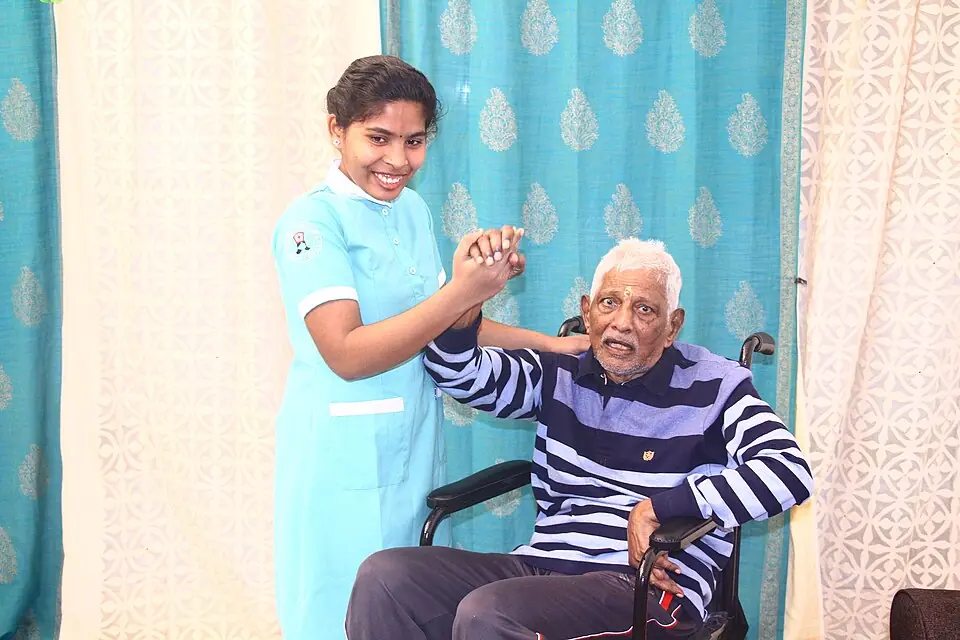
A nurse is the one domestic staff hire where the work is genuinely medical, and the first month is where you find out whether the person caring for your family member can be trusted with the clinical decisions that matter. A nurse can verify cleanly on paper, present a real qualification, and still not be the right fit for a specific patient. The pacing of their care, the way they handle medication, how they respond when something changes at three in the morning, and how they communicate with a family under stress are all things that only become visible over the actual weeks of a placement. For Multan households, where families frequently bring in a nurse for an elderly parent in DHA Multan or a patient recovering at home in Wapda Town, the first thirty days are not a settling in formality, they are the period where the safety of a vulnerable person is being confirmed in real time.
This guide walks through what to expect in the first few weeks, how to handle communication with a nurse, when a concern is worth flagging immediately versus observing, and how the trial period and replacement guarantee work for a role where the stakes are higher than any other domestic hire.
Week 1: Expectations and the critical first shifts
The first week with a new nurse is the most important week of any placement we handle, and it should be treated that way. Unlike a maid or a gardener, where the first week is about settling into a routine, with a nurse the first week is about confirming that the clinical care is competent and the patient is safe in their hands.
The single most important thing you can do in week one is have a family member present and observing for at least the first two to three days. This is not about mistrust, it is about the reality that a nurse caring for a vulnerable patient needs oversight while the family calibrates trust. Watch how they handle medication, how they take and record vitals, how they communicate with the patient, and how they respond when the patient is uncomfortable or confused. For a patient with dementia or one on heavy medication, they may not be able to tell you whether the care is right, which makes family observation in the first week essential.
By the end of week one, you should have clear answers to a few questions. Is the nurse administering medication on the correct schedule, and are they recording it? Are they checking vitals at the frequency the patient's condition requires? Are they communicating changes in the patient's condition to you, or are you having to ask? Do they seem calm and capable when something is off, or do they become visibly flustered? A nurse who is genuinely experienced answers clinical questions with specifics and handles small changes without drama. One who is out of their depth tends to be vague and reactive.
Weeks 2 and 3: Where the routine deepens and trust builds
By the second and third week, the initial observation period has passed and the nurse is into the actual ongoing routine. For a longer placement, this is where the day to day rhythm becomes stable. Medication is being given on schedule without prompting, vitals are being recorded consistently, and the nurse has learned the patient's patterns, when they are usually comfortable, when they tend to be restless, and what makes them settle.
This is also when you can step back slightly from the close observation of week one, but not entirely. For a live in nurse in a Multan household, the family is often relying on them through the night, and weeks two and three are when you find out how the nurse actually handles the night shift. Are they waking when the patient needs them, or sleeping through? Are they alert and responsive at two in the morning, or groggy and slow? Night care is one of the most common gaps in a nursing placement, and it often only becomes visible once the family stops checking in the small hours.
Weeks two and three are also when the nurse's communication habits become fixed. A good nurse tells you about a change in the patient's condition the same day, not when you ask three days later. They flag a minor symptom before it becomes a problem. They ask for guidance on a decision that is borderline rather than making it alone. If by week three the nurse is consistently communicating proactively, that is a strong trust signal. If you are still having to pull information out of them, that is worth addressing before it becomes the established pattern.
Communication during the first month
Communication with a nurse is different from any other domestic staff role because the information being passed is clinical, and small gaps can have real consequences. The goal in the first month is to establish a rhythm where the nurse reports the things that matter without you having to ask for each one.
For most placements, a short handover at each shift change works well, what happened during the shift, any changes in the patient's condition, any medication given, and anything to watch for in the next shift. For a live in nurse without a shift change, a brief check in at the start and end of each day keeps the family informed without the nurse feeling constantly monitored.
The harder category is the middle of the night and the off hours. Agree early on what warrants a phone call to the family regardless of the time, a fever above a certain point, a fall, a significant change in consciousness, or any sign that the patient may need to go to the hospital. A nurse who calls you at three in the morning for something that genuinely warrants it is doing their job. One who does not call when they should is a serious concern, and one who calls for every minor thing may not have the clinical judgment the role requires.
For Multan families where the primary decision maker may be working or travelling during the day, agree on who the nurse contacts for clinical decisions and who they contact in an emergency. This sounds obvious, but in the first month of a stressful placement it is one of the most common gaps.
When to flag an issue immediately versus when to observe
With a nurse, the threshold for flagging an issue is lower than with any other role, and the window for waiting is shorter. Anything related to medication, a missed dose, a wrong dose, a dose given at the wrong time, or a medication not recorded, is not something to observe for a pattern. You raise it the same day, and if it happens more than once, you call us immediately.
The same applies to any sign that the nurse is not monitoring the patient at the frequency their condition requires. A diabetic patient whose blood sugar is not being checked at the agreed intervals, a post surgical patient whose wound is not being checked and dressed as prescribed, or an elderly patient being left alone for long stretches when they should not be, these are not rough days, they are safety issues.
The things worth giving a few days are the softer issues. A nurse who is slightly slow to communicate but is otherwise competent may adjust once you set a clearer expectation. A nurse whose bedside manner is a bit brisk but whose clinical care is solid may warm up as they get to know the patient. These are worth a week of observation and a direct conversation before escalating.
The principle is simple. Clinical and safety issues, flag immediately. Communication and manner issues, raise directly and give a few days unless they do not adjust.
How the trial period works
Every nurse we place starts with a trial period, and for this role the trial is not a courtesy, it is a clinical safeguard. A nursing qualification verification, reference checks with previous employers, and an in person interview all tell us a nurse is qualified and capable in general. They do not tell us how that nurse will handle your specific family member, their specific condition, and your household's specific expectations around care and communication.
The trial period works best when a family member is meaningfully present for the first stretch, observing the care rather than simply being in the house. For a short post operative placement, the trial may be the first week. For a longer elderly care arrangement, the trial is typically the first two to three weeks, during which the family is calibrating whether the nurse can be trusted with the level of autonomy the role will eventually require.
Keep us in the loop during the trial. A WhatsApp message in week one saying "things are going well" or "I have a concern about how medication is being recorded" helps us stay ahead. We would rather hear about a small concern early than a serious problem late.
When to call for a replacement
For a nurse, the bar for calling a replacement is lower than for any other role, and that is intentional. Because the consequences of a poor fit are clinical rather than merely inconvenient, we would always rather swap a placement early than let a family push through a fit that is not right while a vulnerable person is in the care of someone the family does not fully trust.
You should ask for a replacement when there has been any medication error that is not a one off, when the nurse is not monitoring the patient at the agreed frequency, when communication about the patient's condition is consistently poor after you have raised it, or when your gut says the clinical judgment is not sound. You do not need to prove the nurse is doing something wrong to ask for a replacement. If the trust is not there by the end of week two or three, that is a valid reason, because a nurse you do not trust is not a workable placement regardless of their qualifications.
When you message us, tell us what specifically is not working. "She is qualified but she is not proactive about flagging changes" or "his night care is not reliable and we cannot have that for our father" gives us enough to go back to the shortlist and send a better matched candidate, usually within 48 hours, rather than leaving the family to restart the search during what is already a stressful time.
What we check before a nurse reaches your shortlist
Every nurse we place in Multan goes through four checks before they reach a family. We carry out CNIC and address verification to confirm identity and local residence, which matters more, not less, when the person is living in your house and handling medication. We verify the nursing qualification against the issuing institution, whether that is a diploma, a degree, or a registered nurse credential, because a photocopy of a certificate proves nothing and forged certificates do circulate in the home nursing market. We take reference checks with previous employers, asking specific clinical questions about how the nurse handled medication, emergencies, and pressure. Finally, we hold an in person interview where we talk through real scenarios, what they do if a diabetic patient's sugar reading is unusually low, how they manage a patient who refuses medication, and how they decide when a fever is a stay at home situation versus a hospital trip.
The screening gets you a verified, qualified nurse. The first thirty days tell you whether that nurse is the right one for your family member.
Questions Multan families ask us about the first month
How long should a family member be present in the first week? For most placements, we recommend a family member present and observing for at least the first two to three days, and longer for a patient with a complex condition or one who cannot communicate clearly themselves.
If something feels wrong but we cannot point to a specific error, can we still ask for a replacement? Yes. With nursing, trust is a clinical factor, not just a preference. If the trust is not building by the end of week two or three, that is a valid reason to request a replacement, and we would rather move early than have a family anxious about a placement for weeks.
What if the nurse is clinically good but the patient does not respond well to them? Patient comfort matters, especially for longer placements. A nurse who is clinically competent but whose manner does not suit the patient can still be a poor fit, and we can look for a replacement with a different bedside manner.
Can we have two nurses on shifts for twenty four hour coverage from the start? Yes, and for some conditions we recommend it. A single nurse covering twenty four hours will eventually fatigue, and night care is usually the first thing to suffer. Two nurses on shifts is more expensive but far more reliable for a patient who needs consistent overnight monitoring.
Beyond nurses
If your Multan household also needs a caretaker for a family member who needs daily support but not full medical nursing, or a maid or helper to keep the household running while the family focuses on care, we can shortlist multiple roles together. See our full Multan coverage for everything else we place in the city.
Message us on WhatsApp with the patient's condition, the area, and the coverage you need, and we will shortlist verified nurses within 48 hours.
Comments
Comments are reviewed before they appear.
Loading comments…