How to Become a Verified Caretaker with RX Direct in Karachi
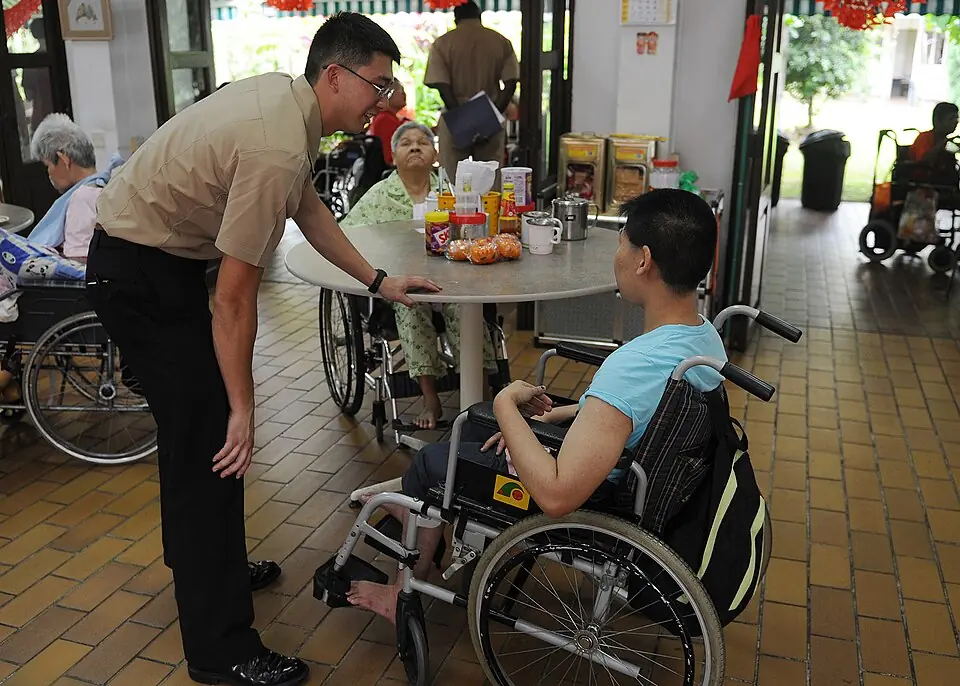
If you care for an elderly parent, a dependent relative, or a recovering patient in their own home, you already know the work is different from any other domestic role. You are not cleaning a room and moving on, you are sitting beside someone who cannot fully manage on their own, sometimes through the night, often behind a closed door. In Karachi, where more families are splitting into nuclear households and adult children are working in other cities or abroad, the demand for a dependable caretaker has grown, and so has the caution families apply before letting someone in. A verbal introduction from a relative is no longer enough for most households. Getting verified with RX Direct gives a family documented proof that you have been checked, and that proof is what gets you into the more stable, better-paying placements in areas like DHA, Clifton, Bahria Town, and North Karachi. This guide walks you through what verification involves, what to bring, what the interview is like, and what happens once you are placed.
Why the verified badge matters for you as a caretaker
The families who pay properly and treat you with respect are usually the ones who check the hardest. That is not a contradiction, it is the reality of this role. A family trusting a stranger with an ageing parent wants more than a confident manner, they want a CNIC that has been confirmed, references they can call, and a screening that says you are fit for the work. When you carry that verification, you walk into a placement already trusted, which means less suspicion, fewer questions in the first week, and a household that is more likely to keep you on. It also protects you. A verified record means a family cannot quietly replace you with someone cheaper on a rumour, because your standing with us is documented and the replacement guarantee works in both directions. Verification is not a hurdle we put in your way, it is the thing that makes your work stable.
Documents you need to bring
Before you apply, gather the following:
- Your original CNIC, plus a photocopy. We check the original in person and keep the copy on file. The name, father's name, and permanent address on the card must match what you tell us. If your permanent address is your village upcountry and you actually live in Karachi, say so clearly. A mismatch that looks hidden is worse than an honest explanation.
- References from at least two previous families you have cared for someone through. Ideally these are households where you looked after an elderly or dependent person, not just any domestic work. A name and a working phone number is enough to start. A family that remembers you well and can describe your routine makes the whole process move faster.
- A recent photograph so the household can recognise you on the first day.
- Any first-aid or nursing-related certificate if you have one. This is not required, most caretakers do not have formal training, but if you have done a basic first-aid or home-nursing course, bring the certificate. It widens the range of placements you qualify for.
You do not need a school leaving certificate or a literacy test. If you cannot read or write, tell us and we will handle the paperwork with you in person rather than handing you a form to fill out alone.
Step one, CNIC and address verification
The first step is confirming your CNIC and the address tied to it. This is where most placements either hold together or fall apart later, because an identity or address mismatch is the most common reason a family loses trust midway through. We confirm the CNIC is genuine, that it belongs to you, and that the address you gave us is where you actually stay in Karachi. Your address also matters for matching. A caretaker who lives in Malir and gets matched to a live-out household in DHA can end up with a commute that makes a 12-hour day impossible to sustain, so an accurate address helps us place you somewhere you can actually reach on time. If your address or phone number changes after you are verified, tell us. A small update now prevents a big problem when a family tries to reach you later.
Step two, reference checks with previous employers
Once your CNIC clears, we contact the families you listed as references. We ask them how long you worked there, what the daily routine looked like, why the placement ended, and whether they would take you back. We also ask specific questions about medication handling, money, and behaviour with the person being cared for, because these are the areas where a family's trust is won or lost. This is not about catching you out, it is about understanding where you have already proven yourself so we match you to a similar household. A caretaker who has spent years managing a bedridden patient's medication schedule is a different fit from someone who has mainly provided company and mobility help, and both are good, they just suit different homes. The more honest and recent your references, the better the match. If your most recent placement ended badly, tell us the truth rather than giving us an older, more favorable reference and hoping we will not notice. We always ask for the most recent employer.
Step three, the in-person interview
After the references check out, we meet you face to face in Karachi. This is a conversation, not an exam, but it is also the step where we can tell real experience from a rehearsed story. We ask about the kinds of patients you have cared for, the conditions you are comfortable handling, and the ones you are not. We ask whether you can manage night shifts, whether you are comfortable in a live-in arrangement or prefer live-out, and how you handle a patient who is confused, agitated, or reluctant to take medication. A person who has genuinely sat through the night with a dementia patient describes it differently than someone who has only heard about it secondhand, and that difference shows in the details you can give. Be honest about what you can and cannot do. Telling us you are comfortable with a live-in role caring for a bedridden patient when you are not only sets up a placement that fails in the first week and hurts your record with us.
Step four, health screening
Because you will be in close daily contact with an elderly or immunocompromised person, we require a recent health screening before placement. This covers a chest X-ray and basic bloodwork, the standard checks that matter for someone spending long hours beside a vulnerable person. It is not meant to be intimidating or to exclude people, it is meant to make sure a family feels safe having you in their home and that you are fit for the daily hours a caretaker keeps. If anything shows up in the screening, we talk to you about it openly rather than deciding behind your back. In some cases a treatable condition can be resolved and the screening repeated, so a result is not always the end of the road.
How placement works
Once you are verified, you do not have to look for families on your own. When a household in DHA, Clifton, Bahria Town, North Karachi, or anywhere else in the city asks us for a caretaker, we send them verified profiles that fit, considering the patient's condition, the live-in or live-out preference, the hours, and the language the family speaks at home. If you are the match, we set up a meeting between you and the family. You get to ask questions too, about the patient's routine, the number of family members usually present, whether other staff are in the house, and what your off days are. A placement only goes ahead when both sides are comfortable. You are not assigned to a household against your wishes, and you are not expected to take a role you have told us you cannot manage.
How pay works
We keep pay transparent, because this is where caretakers get shortchanged most often. Before you start, we agree your monthly figure, your off days, your night-shift terms if they apply, and any extra-duty arrangements with the household, so there is no confusion after a week of work. We do not encourage households to undercut verified caretakers, and we will not push you into a placement that pays below what your experience warrants just to fill a slot. Caretaker work is demanding and the hours are long, and fair wages with clear terms are part of the arrangement from the start, not something you have to fight for alone after the fact.
What happens after placement
After you start, the first couple of weeks are a settling-in period for both you and the family. We stay reachable. If the household's expectations shift, or if something about the patient's routine is not working for you, you can message us and we step in rather than letting it become a conflict in the house. Every placement carries a replacement guarantee for the family, but here is what that means for you: if a placement genuinely is not a fit, we would rather move you to a better-matched household than have you stuck somewhere unhappy and putting your record at risk. We do not walk away once you have started, and a placement that ends is not held against you if the reason was a genuine mismatch rather than misconduct.
Ready to apply?
If you care for elderly or dependent people in Karachi and you want steady, fairly paid work with families who have been told they can trust you, get verified. Bring your CNIC and your references. Apply through the jobs page and we will walk you through the rest on WhatsApp.
You can read more about how we work with caretakers and our full Karachi coverage.
Comments
Comments are reviewed before they appear.
Loading comments…