Ramadan Staffing Guide for Karachi: Planning Around Your Chef
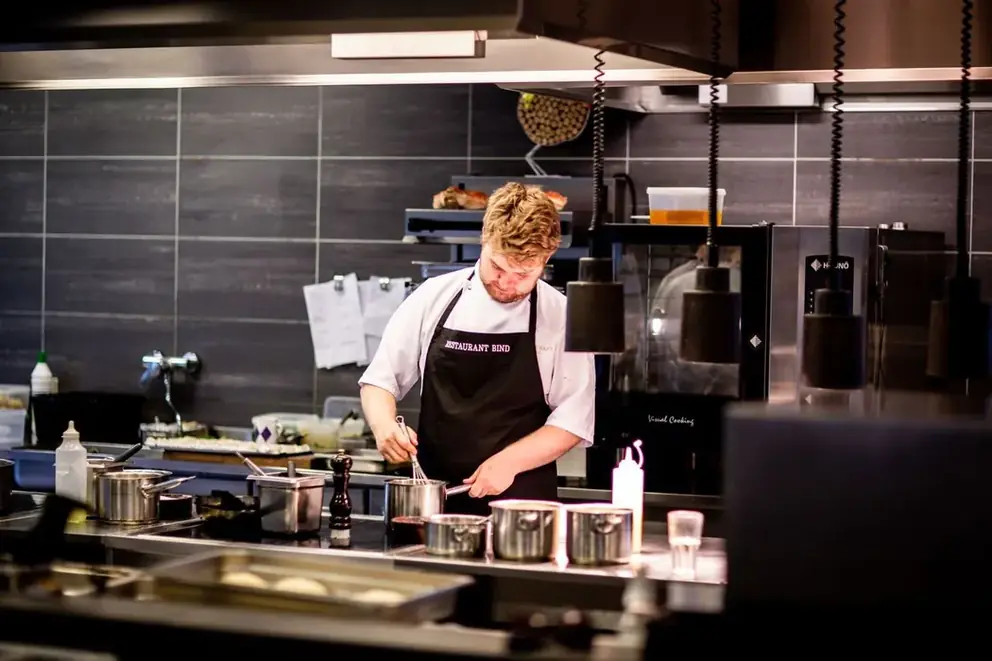
Karachi's daily rhythm changes the moment Ramadan begins. Suhoor tables go out before fajr, iftar spreads come back at maghrib, and the long stretch between them reshapes how every household runs. In a city where extended families often gather for iftar on short notice and guests drop in for tarawih prayers and dinner afterward, the cook quietly becomes the person holding the household together through the month. Most Karachi families we work with start thinking about Ramadan staffing two to three weeks before the month starts, not because hiring is complicated, but because a cook's normal daily schedule simply does not survive Ramadan unchanged.
This guide is for households in Karachi planning around a cook or chef during Ramadan. Whether you already have a cook placed through RX Direct or you are hiring one for the month, here is how the schedule shifts, what extra help looks like, and what to tell us in advance so the month runs smoothly instead of becoming a daily scramble.
How a cook's schedule shifts during Ramadan
In an ordinary month, most Karachi households run their cook on a fairly predictable split: morning prep for breakfast and lunch, a break through the afternoon, then an evening session for dinner. Ramadan breaks that pattern in two specific places.
First, sehri. A cook who normally starts at 8 or 9 am now needs to be in the kitchen by 3 or 4 am to have sehri ready before fajr. For live-out cooks, that means a much earlier commute, and in a city as spread out as Karachi, that commute is a real consideration, not a detail. For live-in cooks, it means adjusting their sleep so they can function through the early start and then again at iftar time.
Second, iftar. The evening session moves earlier and gets heavier. A cook who would normally prepare one dinner now has iftar items, dinner, and often a tea and snack spread for guests to get out in a compressed window. The dinner itself also shifts later, since families break the fast, pray maghrib, and then eat dinner, often with tarawih following. So the cook's evening run stretches from roughly 5 pm to 9 or 10 pm instead of the usual 6 to 8.
That is roughly a four to six hour shift in the daily pattern, and it happens on both ends of the day. Cooks who have done Ramadan before know this and plan for it. Cooks who haven't need it spelled out clearly before they accept the placement, which is why we raise it during screening rather than waiting for the first week of Ramadan to surface the issue.
Temporary extra help during Ramadan
Some Karachi households do not need a different cook for Ramadan, they need an extra pair of hands for the month. The most common patterns we see:
- A second cook brought in for iftar prep only, working the late afternoon and evening session while the main cook handles sehri and the morning.
- A helper who handles prep work, cleaning, and plating so the cook can focus entirely on cooking during the compressed iftar window.
- A short-term cook for the last ten days of Ramadan, when many households host more frequent iftar gatherings and the regular cook is stretched past capacity.
These are temporary arrangements, usually for the month or for a specific stretch within it. We handle them the same way we handle any placement: CNIC and address verification, previous employer references, an in-person cooking skills interview, a health screening, and a hygiene and food-safety orientation before the person starts. Temporary does not mean we skip screening, it means we screen and then place for a defined period.
What to tell RX Direct in advance
Two weeks lead time is what we ask for. That is not a formality. Here is what those two weeks allow us to do:
- Confirm your current cook is comfortable with the shifted Ramadan hours, or start lining up a replacement if they are not.
- Source a temporary second cook or helper from a pool that has already cleared screening, rather than rushing verification mid-month.
- Match someone who has done Ramadan cooking before, especially for iftar items that are specific to Karachi households, things like chaat, pakoras, fruit chaat, dahi baray, and the range of sherbet and Rooh Afza drinks that show up on most tables.
If you tell us a week before Ramadan, we can usually still help, but the pool is tighter and you are more likely to compromise on cuisine specialty or timing. If you tell us two weeks out, we have room to shortlist properly and run a phone screen before confirming.
Send the request over WhatsApp at the contact page with your area in Karachi (Clifton, DHA, Gulshan, North Nazimabad, or wherever you are based), household size, whether the cook is live-in or live-out, and the Ramadan hours you have in mind. We follow up with a shortlist, usually within 48 hours.
Managing your existing cook during Ramadan
If you already have a cook and you are keeping them through Ramadan, a few practical points make the month fairer for them and smoother for you.
Be clear about the new hours before Ramadan starts, not on the first morning. A cook who finds out at 2 am that sehri prep starts in an hour is a cook who is set up to fail. Have the conversation a week or two ahead, confirm the shifted start and end times, and put it in plain terms.
Adjust their break. If a cook is starting at 3:30 am for sehri and then working through the iftar stretch in the evening, the long afternoon break is not a luxury, it is the only way they get through the month without burning out. Protect that break.
Pay attention to their own fasting. Your cook is likely fasting too. Expecting someone to prep iftar at speed while fasting, then clean up after tarawih, is reasonable. Expecting them to also do heavy lifting, deep cleaning, or a full grocery run on top of that is not. If you need those things, that is what the temporary helper is for.
Keep expectations fair on iftar variety. Most experienced Ramadan cooks can put out a solid iftar spread daily, but if you are hosting large gatherings several times a week, that is a different workload than a family iftar. Tell us, and we will line up extra help rather than asking your cook to absorb it alone.
How we verify cooks for Ramadan placements
Every cook we place in Karachi, whether for Ramadan or the rest of the year, goes through the same screening:
- CNIC and address verification, so the person in your kitchen is who they say they are and lives where they say they live.
- Previous employer references, so we can confirm their cooking experience with families who have actually employed them.
- In-person cooking skills interview, where we assess actual kitchen competence rather than relying on a CV.
- Health screening, which matters more during Ramadan when a cook is fasting and handling food for a household.
- Hygiene and food-safety orientation, covering safe food handling, storage, and kitchen cleanliness.
And if a placement does not work out, the replacement guarantee applies: we go back to the shortlist and arrange a replacement rather than leaving you to restart the search mid-Ramadan. That matters more during the month, when a gap in the kitchen is a daily problem, not a one-off inconvenience.
Questions Karachi families ask us about Ramadan cooks
Can we hire a cook just for Ramadan and not after? Yes. We place cooks for the month specifically, and the placement is structured around that timeframe. Tell us upfront so we match someone who is available for a short engagement rather than someone looking for a long-term live-in role.
Our current cook does not want to work sehri hours. What are our options? You have two. Bring in a temporary cook for the sehri and morning shift, or move your current cook to an iftar and dinner only schedule and use a second person for mornings. We can structure either arrangement.
Can the cook also handle iftar items for guests, or is that a separate person? An experienced Ramadan cook can handle a family iftar and dinner. If you are hosting gatherings of 15 or 20 people several evenings a week, that is a heavier spread and we usually recommend a temporary second cook or a helper for those specific evenings.
What if the cook falls sick during Ramadan? The replacement guarantee covers this. Contact us on WhatsApp and we arrange a replacement, typically within 24 to 48 hours depending on your area and the specific cuisine requirements.
Do you place cooks who already know Karachi iftar recipes? We prioritize candidates with prior Ramadan placement experience in Karachi when they are available, since they already know the local iftar spread and the pacing it requires. Two weeks notice gives us the best shot at matching one of those cooks to your household.
Beyond cooks for Ramadan
If your Karachi household also needs a driver for tarawih drop-offs and late-night errands, a maid or helper for the heavier cleaning load that comes with daily iftar hosting, or security for the month, we can line up multiple roles at once. See our full Karachi coverage for everything we place across the city.
Planning Ramadan staffing in Karachi starts with a WhatsApp message. Reach us at the contact page with your area, household details, and the hours you have in mind, and we will shortlist verified cooks and chefs within 48 hours.
Comments
Comments are reviewed before they appear.
Loading comments…