Ramadan Staffing Guide for Faisalabad: Planning Around Your Caretaker
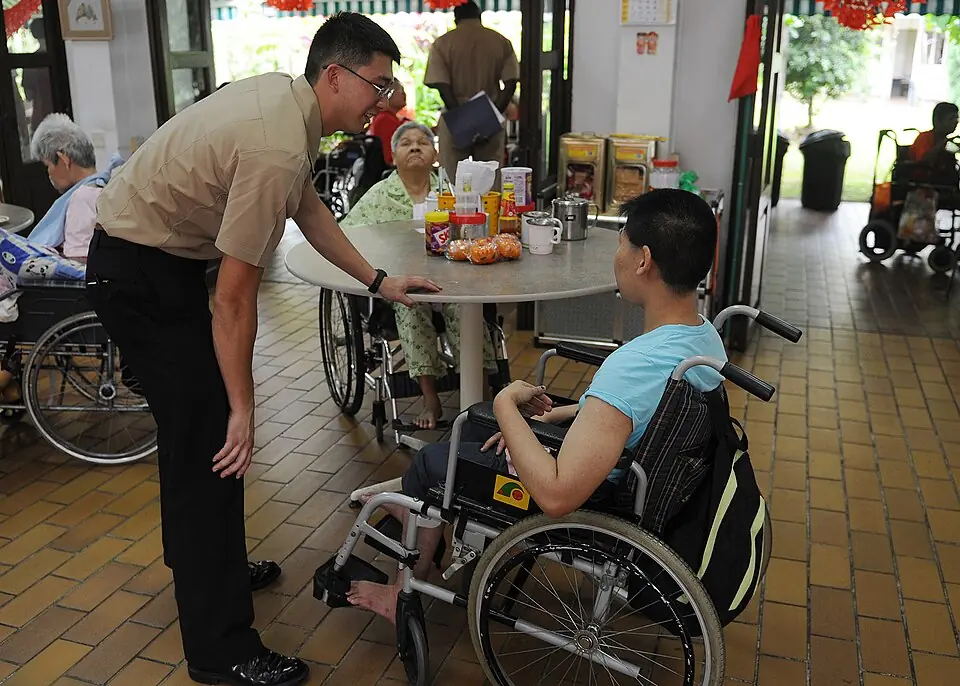
Ramadan changes the rhythm of a Faisalabad household in ways that touch almost every other role in the home, but few shifts are as delicate as the one a caretaker goes through. A cook's day bends around sehri and iftar. A maid's cleaning hours move to the dead afternoon. A driver's schedule follows tarawih and late-night family visits. A caretaker, though, is tied to a person, not a task, and an elderly parent or dependent relative cannot simply be left to rest through the long fasting afternoon while the household sleeps. Their medication times do not move. Their need for help to the bathroom at sehri does not move. Their confusion after waking at 3am for a meal they may not remember eating is often worse, not better, during Ramadan. Planning around your caretaker during the month is therefore less about moving hours around on a rota and more about making sure the person being cared for stays safe and dignified while the rest of the house is on a different clock entirely.
How a caretaker's day shifts during Ramadan
A caretaker's normal day in a Faisalabad home usually follows the routine of the person they are looking after. Morning care, breakfast, medication, a midday rest, an afternoon walk or light activity, evening care, and night support if the arrangement is live-in. During Ramadan that whole pattern collides with the household's new schedule, and the caretaker is often the one caught in the middle.
The first change is the sehri window. If your parent takes early medication with food, the caretaker has to be up and functional before fajr, which means their own sehri has to happen even earlier. Many caretakers who fast will quietly skip proper sehri because they are busy helping the person they care for, and by the second week they are running on empty through the day. The second change is the long afternoon stretch, when the rest of the house is resting and the caretaker is still on their feet helping a parent who does not understand why everyone is asleep at 4pm. The third is iftar and dinner, when the household suddenly needs the kitchen and the dining area, and the caretaker is pulled between helping the person they care for and stepping back so the family can eat together.
None of this is unmanageable, but all of it needs to be talked through before the month begins, not on the third day of Ramadan when everyone is already tired and short-tempered.
Temporary extra help during the month
For many Faisalabad families, the cleanest solution is to bring in temporary extra help for the month rather than stretch the existing caretaker across a schedule they cannot sustain. This usually takes one of two forms. The first is a second caretaker on a part-day basis, covering the long afternoon shift so the primary caretaker can rest. The second is a maid or helper who takes over the household cleaning and some of the kitchen prep, freeing the caretaker to focus only on the person they are looking after.
Which one makes sense depends on the household. If the parent needs constant supervision, a second caretaker for the afternoon is the better fit. If the parent is fairly independent but the caretaker is being pulled into household work because the rest of the staff is fasting or absent, a temporary maid is usually enough. In either case, bringing in temporary help is something we handle regularly during Ramadan, but it works far better when families tell us early rather than mid-month, when the pool of available, verified temporary staff has already thinned out.
What to tell RX Direct in advance
Two weeks' lead before Ramadan begins is the threshold we ask for, and it is not a bureaucratic preference, it is practical. With two weeks, we can run a temporary caretaker or helper through the same verification steps we use for permanent placements, confirm their availability for the full month, and have them in your home a day or two before Ramadan starts so the routine settles before the fasting begins. With less lead time we can still help, but we will not cut verification to meet a deadline, and that sometimes means a temporary placement takes a few extra days to arrange.
When you message us, the details that help us shortlist quickly are the area of Faisalabad you live in, whether the parent needs help with mobility, medication, or both, whether the existing caretaker is fasting, whether you want live-in or live-out temporary cover, and the rough hours you want covered. A household in People's Colony that wants afternoon cover from 2pm to 8pm is a different shortlist than a household in Wapda City that needs overnight support so the primary caretaker can sleep through the last ten nights of Ramadan.
Managing your existing caretaker through the month
If your caretaker is fasting, expect their energy to dip sharply in the last four hours before iftar, and plan the heavier tasks earlier in the day. Medication rounds, bathing, and any lifting should happen before the afternoon slump sets in. If your parent has a habit of wanting tea or a snack in the late afternoon, prepare that in advance so the caretaker is not handling food and drink while fasting and exhausted.
Be direct about expectations. Many caretakers will not say they are struggling because they do not want to seem difficult, and by the time a family notices, the caretaker is already burnt out and the care has quietly slipped. A short conversation in the first week of Ramadan about what the caretaker can and cannot manage that month saves a great deal of friction later. If the arrangement includes time off for tarawih or for the last ten nights, agree that upfront too, so cover can be arranged rather than improvised at the last minute.
Pay and any Ramadan bonus should also be settled before the month begins, not negotiated in the last ten nights when everyone is tired. A clear word in the first week removes a common source of resentment that otherwise builds quietly through the month.
How we verify caretakers before placement
Every caretaker we place, temporary or permanent, goes through the same four steps before we present them to a family. CNIC and address verification confirms the candidate is who they say they are and that the document is genuine. Reference checks with previous employers, specifically households where the candidate has cared for an elderly or dependent person, tell us how they handled the daily reality of the role, not just how they present in an interview. An in-person interview in Faisalabad lets us assess how they communicate and whether their stated experience holds up under specific questions. A health screening, including a chest X-ray and basic bloodwork, protects the elderly or immunocompromised person they will be in close daily contact with. We do not skip any of these for a Ramadan rush, because a temporary caretaker is still alone with a vulnerable person for hours at a time.
If a placement does not work out, our replacement guarantee means we go back to the shortlist and arrange a replacement rather than asking you to restart the search, which is especially important mid-Ramadan when you do not have the time to start over.
Questions Faisalabad families ask us before Ramadan
Should we tell our existing caretaker we are bringing in temporary help? Yes, and early. A caretaker who finds out on the day the temp arrives often feels undermined, while one who knows a week in advance usually welcomes the support. Frame it as cover for the heavy parts of the month, not as a judgment on their work.
Can the temporary caretaker also fast? Some can, some prefer not to during a working placement. Tell us your preference and we will shortlist accordingly. If your parent needs active lifting or mobility help in the late afternoon, we generally recommend a caretaker who is not fasting for that specific shift.
What if we only need help for the last ten nights? We handle shorter placements, but mention this upfront. The last ten nights are the busiest stretch for temporary staffing requests, so the earlier you tell us, the more likely we have a verified candidate available for exactly those dates.
Do you cover areas outside the main Faisalabad colonies? We do, but travel time matters for a live-out caretaker, so telling us your exact locality helps us match someone who can reach you reliably through the month.
Beyond caretakers
If your Faisalabad household also needs a maid or helper for Ramadan kitchen and cleaning cover, a cook for iftar and dinner prep, or a driver for late-night tarawih and family visits, we can shortlist multiple roles at once. See our full Faisalabad coverage for everything else we place in the city.
Message us on WhatsApp with your area, your parent's needs, and the Ramadan cover you are considering, ideally two weeks before the month begins. We typically shortlist verified candidates within 48 hours.
Comments
Comments are reviewed before they appear.
Loading comments…