Live-In vs Live-Out Chef: Which Is Right for Your Rawalpindi Home
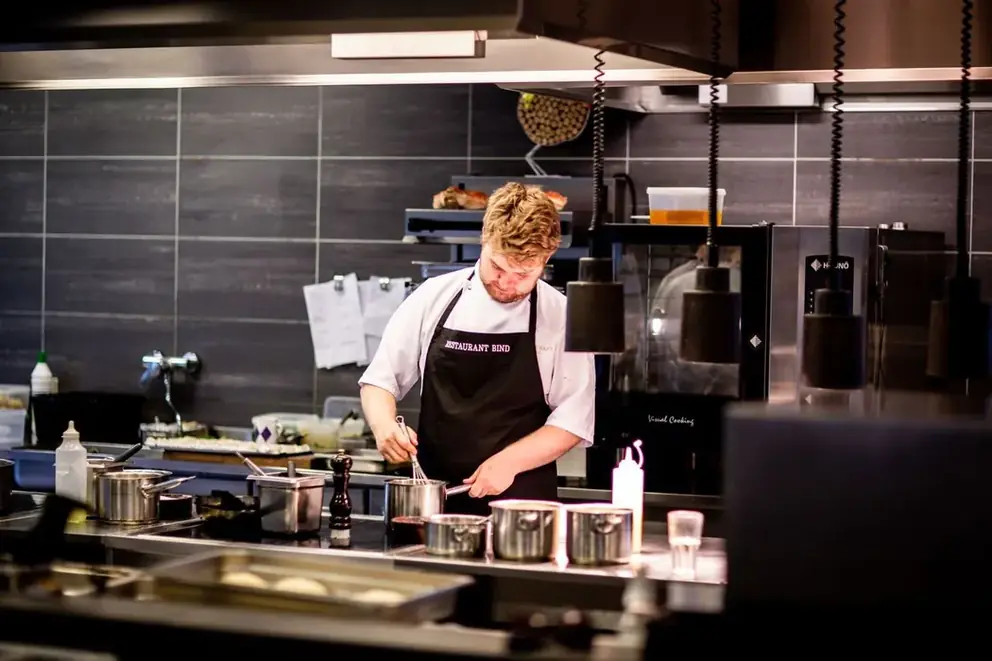
Before you ask how experienced a cook is, the first decision that shapes daily life in a Rawalpindi home is simpler and more consequential than it looks: do you want someone living in your house, or someone who arrives and leaves on a set schedule? That single choice changes who is standing in your kitchen at six in the morning, whether dinner is on the table when you walk in from work, how much privacy your family keeps in the evenings, and how much of your home you are effectively sharing with a relative stranger for the next year. Most Rawalpindi families we work with spend far less time on this question than they should, and end up renegotiating the arrangement three weeks in. This guide lays out what each option actually involves, who each one suits, and how we screen cooks differently depending on which route you take.
What a live-in chef actually means in a Rawalpindi household
A live-in cook sleeps in your home and is effectively present through the full day. In practical terms across areas like Satellite Town, Chaklala Scheme, and the larger houses around PWD, that usually means a servant quarter, a separate room near the kitchen, or in some apartment setups a converted utility space. The specifics matter more than people expect: whether the room has its own bathroom or a shared one, whether it is lockable, whether there is a fan or working air conditioning through Rawalpindi's summer, and whether the cook eats from the family kitchen or is given separate provisions. We ask all of this before placement, because a cook promised a private room who arrives to find a shared space next to a busy utility area is a placement that tends to fail inside a fortnight.
The hours are wider than a live-out role. A live-in cook is typically expected to cover sehri prep through to post-dinner cleanup, with a midday rest break built in. During Ramadan that schedule stretches earlier and later, and around weddings or family gatherings it can extend to cover large-scale cooking on short notice. The trade-off is flexibility on your side, dinner is ready when you get home, tea appears without being asked for, and a sudden guest list of twelve is not a crisis.
The privacy side is the part families underestimate. Someone is now in your house all the time, including evenings when you want to relax, and including daytime hours when women in the household may be moving around freely. Clear off-hours, agreed private time for the family, and basic rules about which parts of the house the cook accesses at night are not micro-management, they are what makes a live-in arrangement sustainable rather than suffocating.
What a live-out chef means
A live-out cook comes in on a fixed schedule and leaves at the end of it. A typical Rawalpindi arrangement is a single long shift, say seven in the morning to seven in the evening, or two split shifts covering breakfast and dinner prep with a break in the middle. They have a weekly off, usually Friday or Sunday, and outside those hours your kitchen is theirs to close and your home is fully private again.
The boundaries are cleaner. There is no accommodation to provide, no ongoing responsibility for someone living under your roof, and no need to negotiate evening privacy. When the shift ends, the cook goes home and the household reverts to being just the household.
The cost of that cleanliness is coverage. A live-out cook is not there at nine on a weeknight if your meeting ran late, and they are not there for an unexpected Sunday lunch unless you have explicitly arranged overtime. Their reliability is also tied to a Rawalpindi commute, and on Murree Road, Sixth Road, and the routes through Saddar, that is not a small variable. Punctuality for a live-out cook is as much a function of where they live relative to you as it is of their character.
Pros and cons, side by side
Live-in works well when you want dinner handled end to end, when the kitchen is busy at multiple points in the day, when you host often enough that flexibility matters, and when the household has the space and the temperament to share the home with staff. It costs you privacy, requires you to provide a decent room and daily meals, and makes clear off-hours essential.
Live-out works well when you want a clean boundary between staff time and family time, when you do not have a suitable room to offer, when your cooking need is essentially two meals on a predictable schedule, and when you are comfortable taking the evening meal in your own hands or having it handled by another family member. It costs you coverage outside the shift and ties punctuality to the commute.
Which Rawalpindi households suit which arrangement
A joint family in a larger Satellite Town or Chaklala house, with multiple adults eating at different times and guests dropping in through the week, leans naturally toward live-in. The kitchen is rarely truly idle, the volume of food justifies a full-time presence, and the house usually has the space to accommodate staff without crowding the family.
A nuclear working couple in a Bahria Town apartment or a DHA Rawalpindi unit, where both adults are out for most of the day and the real cooking need is breakfast plus a hot dinner, often does better with a live-out cook on a split shift. The house is empty during the day so a live-in presence adds little, and the couple usually want their evenings fully private.
Households that entertain weekly, host extended family on weekends, or have elderly members who eat at unusual hours almost always benefit from live-in. Households with a strict routine, a small kitchen, and a preference for keeping the home staff-free after hours are better served by live-out.
How RX Direct screens differently for each
The baseline screening is the same for both. Every cook or chef we place in Rawalpindi clears CNIC and address verification, previous employer references, an in-person cooking skills interview, a health screening, and a hygiene and food-safety orientation before they ever reach a shortlist. On top of that baseline, the two arrangements get different screening emphasis.
For a live-in cook, the accommodation conversation comes first and comes from us, not from you on day one. We ask about the room in detail, confirm the cook is comfortable with the sleeping arrangement you can actually provide, and discuss whether they will eat separately or from the family kitchen. We also flag whether women are at home during the day, because that shapes comfort and the kind of candidate we put forward. Candidates without prior live-in experience are screened out of live-in shortlists unless the household is explicitly prepared to onboard someone new to living in.
For a live-out cook, we focus on proximity. We look at where the candidate currently lives relative to your area, whether the commute across Murree Road or through Saddar is realistic at the times they would travel, and whether they have held a live-out role in Rawalpindi before without attendance issues. The single biggest predictor of a live-out cook's reliability in this city is commute length, and we treat it as a screening criterion rather than a detail to be sorted out later.
Questions to ask yourself before deciding
Is there a genuinely private, ventilated room available, or will the cook be sleeping in a shared utility space? If the answer is the latter, live-in is the wrong call regardless of how convenient it seems.
How many distinct meal times does the household actually run per day? One or two on a fixed schedule favours live-out. Three or more, plus snacks and guest meals, favours live-in.
Are you comfortable with someone present in the house during your evenings and weekends? If evening privacy is non-negotiable, the boundary a live-out cook provides is worth more than the flexibility a live-in one offers.
How predictable is your own schedule? If you are regularly home late or travelling, a live-in cook who can flex to your returns is valuable. If your day is highly structured, a live-out shift will track it fine.
Do you host often enough to justify paying for full-time presence? Weekly entertaining tips the math toward live-in. Occasional hosting does not.
The trial period and our replacement guarantee
Every placement starts with a trial period, because a strong interview and clean references do not always predict how a cook will fit your kitchen's spice level, your family's pace, or the rhythm of a live-in versus live-out day. If a placement does not work out during the trial, we go back to the shortlist and arrange a replacement rather than asking you to start the search over. The replacement guarantee is there precisely because the live-in versus live-out decision is one a lot of families only fully understand once someone is actually in the kitchen.
Beyond cooks
If your Rawalpindi household also needs a driver, maid or helper, cleaner, or security guard, we can shortlist several roles together so you are not running separate searches. See our full Rawalpindi coverage for everything else we place in the city.
Ready to decide? Message us on WhatsApp with your area, household size, and whether you are leaning live-in or live-out, and we will shortlist matched, verified cooks within 48 hours.
Comments
Comments are reviewed before they appear.
Loading comments…