Security Guard Interview Checklist: What to Ask Before Hiring in Gujranwala
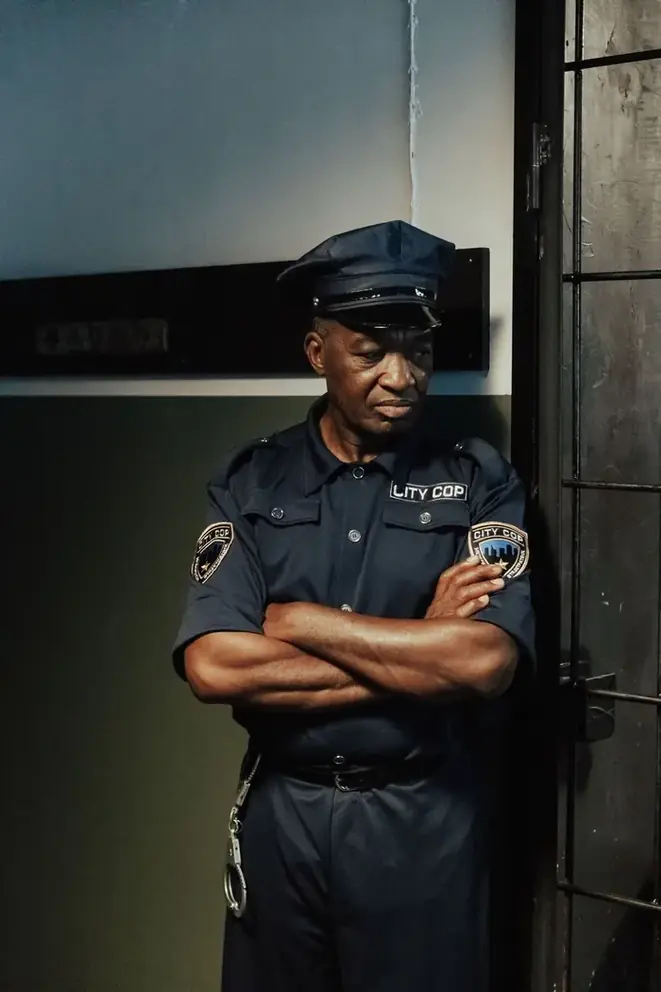
A security guard is the one person standing between your property and everyone who walks through your gate, whether that gate is at a house in Wapda Town, a showroom on GT Road, or a steel unit along the industrial belt. Unlike most hires, a guard works alone, at night, with authority over who enters and who is turned away, and the cost of a bad fit is not a dusty floor or a late courier, it is a real loss. That is why a face-to-face interview matters more for this role than for almost any other placement in Gujranwala. A CNIC photocopy and a uniform are not a screening process, and the questions below are the ones we actually use, adapted for residential, commercial, and industrial posts across the city.
Why the interview matters for security guards specifically
A guard's job is mostly judgment, not muscle. The shifts are long, the nights are quiet for hours at a stretch, and the moments that actually matter, a supplier truck at 11 pm, a stranger claiming to be a relative, a lock that does not look right, happen fast and without warning. References tell you whether someone showed up on time at their last post, and a police character certificate tells you about their record, but only a conversation tells you whether a candidate will stay alert through a 12-hour night shift, follow a visitor logging process without being reminded, or escalate something unusual instead of letting it slide. The interview is also where you find out whether a candidate has actually worked the kind of post you are hiring for, since a residential gate in Jinnah Town is a genuinely different job from a factory gate on GT Road.
Security guard interview questions to ask before hiring
1. "Can I see your original CNIC and your police character certificate?"
Never accept a photocopy alone, and never accept one without the other. Check the CNIC against the certificate, confirm the names match exactly, and ask how recently the certificate was issued. A good answer is the candidate producing both documents immediately and without hesitation. A bad answer is a story about why the certificate is "being renewed" or only a photo of it on a phone, which is a hard stop for any guard placement, and especially so for an industrial post where stock is involved.
2. "Have you worked a residential gate, a factory gate, or a showroom, and which are you most comfortable with?"
This tells you whether the candidate's experience matches your actual post. A good answer is specific: "I worked two years at a house in Wapda Town and one year at a textile unit, and I prefer residential because the routine is steadier." A bad answer is "I can do anything," which usually means the candidate has done a bit of everything to no real depth, or has only worked one type of post and is overpromising to get the job.
3. "Walk me through how you handle visitor and worker logging at shift change."
Shift change is when most gate errors happen, because foot traffic peaks and handover notes get skipped. A good answer describes a clear process: log every entry with name, CNIC number, time in and time out, flag anyone without prior authorization, and brief the incoming guard on anything unusual from the outgoing shift. A bad answer is "I just write names," with no mention of CNIC, timing, or handover, which tells you the candidate has stood at a gate but not actually run one.
4. "What would you do if someone tried to enter the premises after hours without authorization?"
This is a judgment test, and you are listening for the right balance of firmness and sense. A good answer is: "I stop them at the gate, ask who they are here to see, call that person to confirm, and only let them through if it checks out, and I note it in the log regardless." A bad answer is either "I let them in if they seem okay," which is a security failure, or "I confront them physically," which is a liability you do not want at a residential gate. You want escalation, not improvisation.
5. "What's the longest night shift you've worked, and how do you stay alert through the early morning hours?"
Night shifts in Gujranwala, especially at industrial posts, run 10 to 12 hours, and a guard who fades at 3 am is not actually covering your gate. A good answer names a real shift length, admits that the 2 am to 5 am window is the hardest, and describes a concrete habit like walking the perimeter, avoiding heavy meals mid-shift, or doing a logged patrol every hour. A bad answer is "I stay awake easily," with no detail, which usually means the candidate has not worked many long nights and will learn the hard way on your post.
6. "Have you ever dealt with a theft attempt, a break-in, or a confrontation at a post? What happened?"
Past behavior under pressure is the best predictor of future behavior. A good answer is a specific, honest account: what happened, what they did, who they called, and how it was resolved, including a moment where they were scared or unsure. A bad answer is "nothing ever happened," which is possible but often means the candidate was not paying attention, or a heroic story that grows in the telling. You are listening for someone who reports accurately, not someone who makes themselves the hero.
7. "How do you get to and from a post for a 6 am or 10 pm shift handover in Gujranwala?"
Punctuality at handover is a guard problem that most employers underestimate. A good answer names a real commute plan, a bike, a shared van route, a nearby residence, and shows the candidate has thought about getting to a GT Road industrial post or a Wapda Town house on time in winter fog or summer heat. A bad answer is "I will manage," with no plan, which is the candidate who arrives 40 minutes late to relieve the night guard, leaving your post uncovered or your outgoing guard stuck past shift.
How RX Direct's interview process differs from doing it yourself
When a business or household hires a guard directly, the interview often happens on the day the post is supposed to start, with no documents verified and no references checked, and the only thing the employer has to go on is the candidate's word. We do the opposite. Every guard we consider for a Gujranwala placement clears four checks before they reach your shortlist: CNIC verified against a police character certificate, since a clean current record is the baseline for any post here, previous employer references where we call and ask about reliability and how the candidate handled routine gate duties, a physical fitness check, because a guard who cannot stay on their feet through a long night shift is of limited use, and verification of basic security training so the candidate understands access control and how to flag something unusual rather than improvise. By the time you meet a candidate, the documents and the fitness are already settled, so your interview can focus on whether the candidate suits your specific post rather than scrambling to verify a certificate on the spot.
Red flags during a security guard interview
A few patterns are worth a longer conversation before you commit. Reluctance to produce an original CNIC or police character certificate, offering only photos or a story about renewal, is the most serious and we treat it as a hard stop. A candidate who cannot name a single previous employer or post location is either new to the work or hiding a gap, and either way is a risk at an unsupervised gate. A heroic story about a confrontation that grows more dramatic each time you ask about it is a liability, not an asset. A vague answer about shift length, or an admission that they have only worked day shifts when you are hiring for nights, is a mismatch you want to surface in the interview, not on the first night alone at your gate. Two or more of these together are a reason to slow down and look at the next candidate.
The replacement guarantee, in plain terms
Every guard placement starts with a trial period, because even a strong interview does not always predict how someone handles a specific gate, a specific shift pattern, or a specific neighborhood. If the fit is not right in the first couple of weeks, tell us early rather than waiting it out, and we go back to the shortlist and arrange a replacement from our pre-verified pool so your post is not left uncovered. The replacement guarantee is part of how we work, not an add-on, and every replacement guard clears the same CNIC, police character, reference, fitness, and training checks as the original placement, not a lighter version of them.
Hiring a security guard in Gujranwala
If you need a verified security guard for a house in Wapda Town or Jinnah Town, a showroom on GT Road, or a factory along the industrial belt, message us on WhatsApp with your post type, shift pattern (day, night, or 24-hour), and any specific duties like visitor logging or patrol rounds. We typically shortlist two or three verified candidates within 48 hours, and your interview with them can focus on fit for your post, not on whether their paperwork is real.
Comments
Comments are reviewed before they appear.
Loading comments…