Hire a Cook in Peshawar
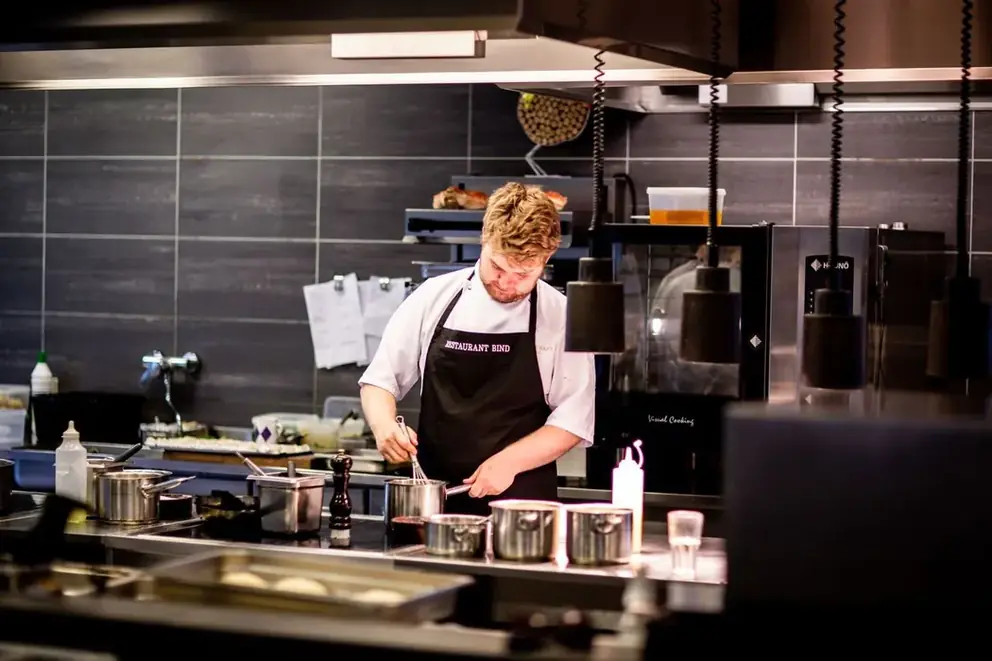
Peshawar carries a food tradition that is distinctly its own, shaped by the city's position as a trading hub near the border and by the Pashtun culture that defines its kitchens. The aromas from Qissa Khwani Bazaar tell you everything about how seriously this city takes its food, from chapli kebab to pulao to the karahi preparations that are a staple of any proper gathering. Households here, whether in Hayatabad, University Town, the cantonment, or the older city neighbourhoods, tend to want a cook who understands this tradition rather than someone who cooks a generic version of Pakistani food. That specificity matters, because a cook who can make a credible Peshawari pulao is a different hire than one who has only ever cooked in Lahore or Islamabad.
What families in Peshawar usually need
The cook requests we receive from Peshawar tend to fall into a few clear patterns, and figuring out which one fits your situation helps us match the right candidate quickly:
- A live-in cook for a joint family in Hayatabad or the cantonment, where the expectation is three meals daily, grocery coordination, and the ability to cook for a larger household with frequent guests. Pashtun hospitality means guests arrive often, and the cook needs to be able to scale up without notice.
- A live-out daily cook for a University Town household, covering two meals a day on a fixed schedule, often for a family where the adults work or are affiliated with the university and need the kitchen managed efficiently.
- A cook experienced with Pashtun cuisine specifically, meaning someone comfortable with chapli kebab, pulao, karahi, and the meat-heavy, generously spiced style of cooking that Peshawar households expect, rather than the lighter preparations common in other cities.
Our verification process for Peshawar placements
Every cook we shortlist for a Peshawar household has already been through our full five-step screening, with no step skipped, because the person preparing your family's food deserves genuine due diligence:
- CNIC and address verification. We verify the candidate's CNIC and home address, so you know exactly who is being placed in your household and where they commute from each day.
- Previous employer references. We call at least one previous household directly, asking about the cook's reliability, food quality, and why the arrangement ended. A written reference on its own is not enough.
- In-person cooking skills interview. We ask candidates about the dishes they are most confident preparing, specifically whether they have experience with Pashtun cuisine, and how they handle cooking for larger numbers. In Peshawar, we also ask about comfort with the local style of meat preparation, since that is central to most households' expectations.
- Health screening. A cook working in someone else's kitchen needs to be physically fit for the work, so this is confirmed before shortlisting rather than after.
- Hygiene and food-safety orientation. Every candidate goes through an orientation covering cleanliness, food storage, and kitchen sanitation, so expectations are aligned before the first day.
Trial period and replacement, explained simply
Every placement starts with a trial period. This is not a sign that we doubt our own screening, it exists because even a strong interview and clean references do not always predict how a cook will fit a specific household's taste and routine. In Peshawar, where families have precise expectations about local cuisine and where hospitality means cooking for guests on short notice, the trial reveals whether a cook can handle the real rhythm of the household. If the placement is not working out, tell us as soon as possible rather than waiting it out. We go back to the shortlist and arrange a replacement at no extra cost, so you are never locked into a mismatch. Our replacement guarantee is simple: tell us what is not working, and we fix it.
What a typical Peshawar booking looks like
Most requests come in over WhatsApp through the contact page. You tell us your area, whether that is Hayatabad, University Town, the cantonment, or a neighbourhood in the older city, along with household size and whether you need live-in or live-out. We follow up with questions about dietary preferences, whether you want specifically Pashtun cuisine or a mix, and how often you host guests. Within 48 hours, we send a shortlist of two or three verified candidates. Families usually do a phone screen first, then meet the preferred candidate in person, often asking them to prepare a trial meal before confirming. Because Peshawar's layout means Hayatabar and the cantonment are on opposite sides of the city from the older neighbourhoods, we prioritise candidates who already live on the same side as your household, since a cook who has to cross the city daily is less likely to be reliable long term.
Seasonal and local considerations in Peshawar
Peshawar experiences both hot summers and genuinely cold winters, and both seasons reshape kitchen routines. Summer temperatures regularly exceed 40 degrees from May through July, and families shift toward lighter meals, more lassi, and cold preparations. A cook used to Peshawar summers already manages prep timing to avoid the worst heat and handles food storage carefully. Winter is real here, colder than in Lahore or Karachi, and households move toward heartier meals, shorba, and dishes that hold warmth. Ramadan reshapes the day, with sehri and iftar prep, and Peshawar's iftar traditions have their own character, with specific fried items and drinks that a cook should already know if they have local experience. Wedding season runs from late autumn into winter, and Pashtun weddings involve substantial food, so some households ask a cook to handle event-scale cooking on top of the daily routine. Sharing these seasonal and cultural details when you first reach out helps us shortlist a candidate who is genuinely prepared for Peshawar rather than someone who will need time to adjust.
Questions Peshawar households ask us most
Can you find a cook who genuinely knows Pashtun cuisine, not just generic Pakistani cooking? Yes, and this is one of the most important things to clarify upfront. We ask candidates during the cooking skills interview whether they have real experience with chapli kebab, pulao, and the local style of karahi, because these are not dishes a general cook picks up on the fly. We shortlist accordingly.
What if our household is conservative and we need a cook who respects those norms? Tell us your household's specific expectations around gender, privacy, and interaction. We confirm during screening that a candidate is comfortable with the arrangements you require, so there are no surprises after placement.
Do you place cooks who can handle large-scale cooking for Pashtun gatherings? We do. Pashtun hospitality often means cooking for large numbers on short notice, and we specifically ask candidates about the largest gatherings they have cooked for. A cook used to preparing meals for six is not the same as one used to thirty, and we match accordingly.
Beyond cooks
If your Peshawar household also needs a driver, maid or helper, cleaner or security guard, we can shortlist multiple roles at once so you are not running separate hiring processes for each. See our full Peshawar coverage for everything else we place in the city.
Message us on WhatsApp with your Peshawar area and cooking requirements, we typically shortlist verified candidates within 48 hours.
Comments
Comments are reviewed before they appear.
Loading comments…